

Addiction can feel like a constant battle, affecting physical health, emotional well-being, and personal relationships. Many individuals want to break free but are unsure where to begin or which type of treatment is right for them. Understanding the differences between inpatient and outpatient addiction treatment is a critical step toward recovery. With the right level of care and support, it is possible to move from struggle to strength and build a life grounded in stability and purpose.
At Ralph Auensale, we recognize that recovery is deeply personal. Our programs combine evidence-based treatment, mental health support, and holistic, faith-based approaches to help individuals heal fully. By offering both inpatient and outpatient care, we provide flexible and individualized pathways that meet clients where they are and guide them toward lasting sobriety.
What Is Inpatient Addiction Treatment
Inpatient treatment, also known as residential rehab, provides a structured environment where individuals live at a treatment facility for a period of time. This level of care is designed for those who need intensive support and a safe space away from daily triggers.
Key Features of Inpatient Care
- 24-hour medical and emotional support
- Structured daily routines that promote stability
- Access to individual and group therapy sessions
- A focused environment free from outside distractions
Inpatient programs allow individuals to fully immerse themselves in recovery. This is especially beneficial for those with severe addiction, co-occurring mental health conditions, or limited support at home.
When Inpatient Treatment May Be the Right Choice
- Substance use has become difficult to control
- Withdrawal symptoms require medical supervision
- The home environment is unstable or triggering
- Previous attempts at recovery have not been successful
Choosing inpatient care can provide the strong foundation needed to begin the recovery journey with confidence.
What Is Outpatient Addiction Treatment
Outpatient treatment offers a more flexible approach. Individuals attend scheduled therapy sessions and support programs while continuing to live at home and maintain daily responsibilities.
Key Features of Outpatient Care
- Flexible scheduling to accommodate work or family commitments
- Regular access to therapy and counseling
- Opportunities to apply coping strategies in real-life situations
- Continued support from professionals and peers
Outpatient programs are ideal for individuals who have a stable home environment and a strong support system. They also serve as an important step down after completing inpatient treatment.
When Outpatient Treatment May Be the Right Choice
- Addiction is at a moderate or early stage
- Daily responsibilities cannot be paused
- A supportive home environment is available
- The individual is committed to ongoing recovery work
Outpatient care allows individuals to stay connected to their daily lives while still receiving structured support.
The Role of Mental Health in Both Treatment Options
Addiction rarely exists on its own. Many individuals experience mental health challenges such as anxiety, depression, or trauma alongside substance use. Addressing both is essential for long-term recovery.
At Ralph Auensale, mental health treatment is integrated into both inpatient and outpatient programs. Through therapy and counseling, clients can:
- Understand the root causes of their addiction
- Develop healthier coping mechanisms
- Improve emotional regulation
- Build resilience and self-awareness
This comprehensive approach ensures that recovery is not temporary but sustainable.
Holistic and Faith-Based Support for Lasting Change
True recovery involves healing the whole person. Holistic and faith-based approaches provide additional layers of support that strengthen long-term sobriety.
Holistic and Spiritual Care May Include
- Mindfulness and meditation to reduce stress
- Physical wellness activities to restore energy and health
- Nutritional guidance to support recovery
- Faith-based practices that offer purpose and connection
These elements help individuals build a balanced lifestyle that supports both recovery and personal growth.
Choosing the Right Path for Your Recovery
Deciding between inpatient and outpatient treatment is not always easy. The right choice depends on your unique needs, challenges, and goals. Personalized care ensures that treatment is aligned with your situation and can adapt as you progress.
Factors to consider include:
- The severity of addiction
- Mental health needs
- Daily responsibilities and commitments
- Level of support at home
Professional guidance can help you make an informed decision and create a treatment plan that sets you up for success.
Taking the First Step Toward Strength
Moving from struggle to strength begins with understanding your options and reaching out for help. Both inpatient and outpatient treatment programs offer valuable pathways to recovery when matched to the right individual.
At Ralph Auensale, our compassionate and experienced team is here to support you every step of the way. Through personalized care, holistic support, and a commitment to your well-being, we help clients build a strong foundation for lasting recovery.
If you or a loved one is ready to take the next step, contact us today to learn more about our programs. Recovery is possible, and your journey toward a healthier, stronger life can begin now.

 Drug addiction can feel like an unending cycle, affecting every aspect of life from health to relationships and personal goals. Recovery is not simply about quitting substances; it requires understanding the underlying causes of addiction, developing healthy coping strategies, and receiving professional support tailored to individual needs. Effective strategies for drug addiction recovery provide structure, guidance, and hope, helping individuals regain control and build a meaningful, sober life.
 Choosing the right rehabilitation program is one of the most important decisions a person can make on the journey to recovery. With so many options available, it can feel overwhelming to determine which path will provide the best support. Understanding the different types of rehab programs and how they align with your personal needs can bring clarity and confidence during a challenging time. With the right guidance, recovery becomes not only possible, but sustainable.
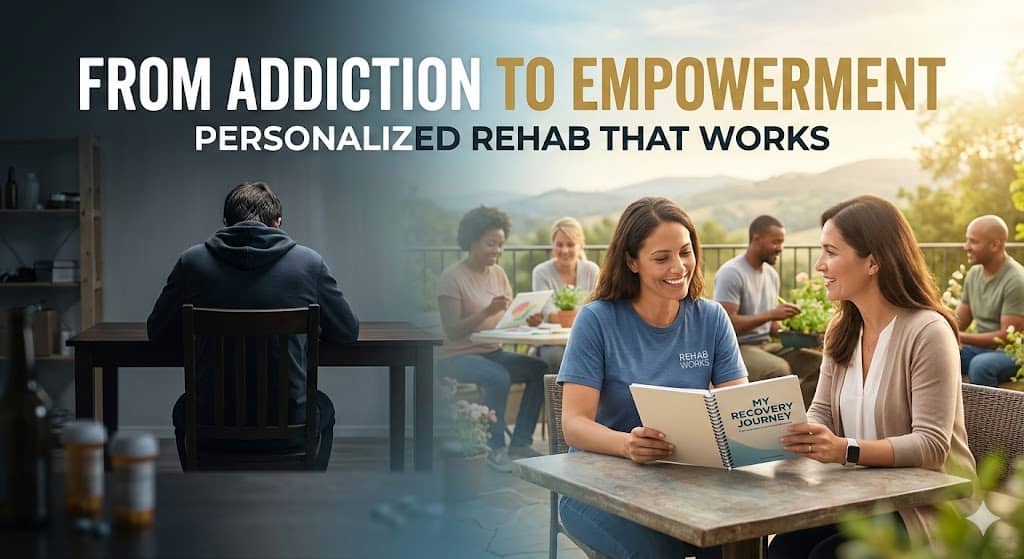 Addiction can feel overwhelming, leaving individuals powerless over their choices and uncertain about the future. The journey from addiction to empowerment begins with recognizing that recovery is possible and seeking professional support tailored to individual needs. Personalized rehabilitation programs provide the structure, guidance, and tools required to reclaim control, restore health, and build a meaningful life in sobriety.
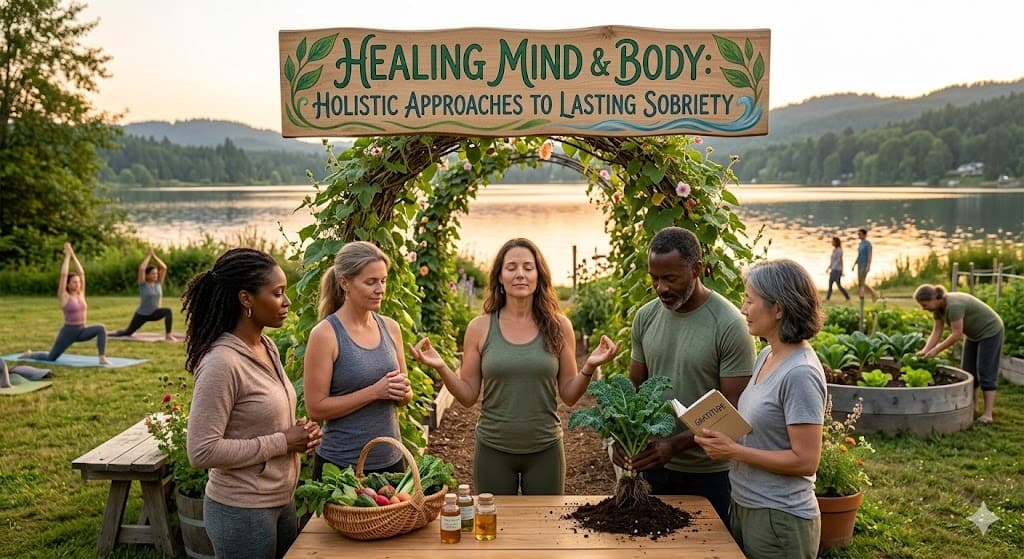 Recovery from addiction is more than just stopping substance use. True healing requires addressing the mind, body, and spirit to build resilience and maintain long-term sobriety. Holistic approaches complement traditional rehabilitation by providing tools for emotional balance, physical wellness, and personal growth. These strategies empower individuals to navigate challenges, prevent relapse, and create a fulfilling, sober life.
 Addiction can feel like a relentless cycle, affecting physical health, mental well-being, and personal relationships. Breaking free requires more than simply stopping substance use. Recovery is a journey that involves restoring balance, rebuilding life skills, and finding hope for the future. Modern rehabilitation programs provide the professional support, guidance, and tools needed to achieve lasting health and wellness.
 Addiction can feel like an unending struggle, impacting every area of life from health and relationships to work and personal fulfillment. Overcoming it is not simply a matter of willpower—it requires structured support, guidance, and a plan tailored to your unique needs. Breaking free from addiction is possible with professional help that addresses the mind, body, and spirit.
 Recovering from addiction is a courageous and transformative journey. It is not simply about stopping substance use but about reclaiming control over your life, relationships, and well-being. While detoxification and therapy are critical first steps, the true challenge lies in rebuilding a life that supports lasting recovery. With the right guidance and resources, recovery can become a foundation for personal growth and renewed purpose.
 Detoxification is often the first step in overcoming addiction. While it addresses the physical dependence on substances, true recovery requires much more. Long-term sobriety depends on a comprehensive approach that heals the mind, body, and spirit. Holistic rehabilitation programs offer the tools, support, and guidance needed to maintain lasting recovery while improving overall well-being.