
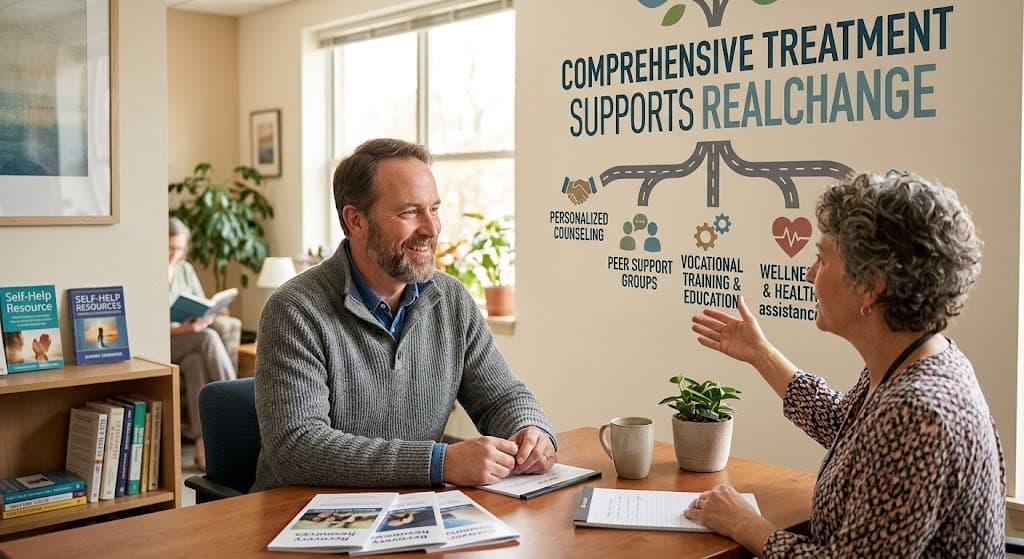
 Drug addiction recovery is rarely as simple as deciding to stop using drugs. Addiction can affect physical health, emotional wellbeing, relationships, work, confidence, and a person’s sense of purpose. Lasting change often requires more than short term intervention. It requires an individualized plan that addresses the reasons behind substance use while helping a person develop healthier ways to manage stress, emotions, relationships, and everyday responsibilities. Comprehensive drug rehabilitation brings these elements together through addiction treatment, mental health support, appropriate levels of care, holistic wellness, and practical recovery planning.
For someone considering treatment, understanding what comprehensive care involves can make the process feel less uncertain. Recovery is a personal journey, but there are practical principles that can help create a stronger foundation for change.
Understanding What Drug Addiction Recovery Really Involves
Addiction can gradually change how a person thinks, feels, and responds to the world around them. What may begin as occasional substance use can eventually become a pattern that feels difficult to control.
At the same time, addiction may be connected to circumstances that are not immediately visible. Stress, trauma, anxiety, depression, grief, loneliness, relationship difficulties, or unhealthy coping patterns may all contribute to substance use.
This is why effective drug addiction recovery should address the whole person rather than focusing exclusively on the substance.
Recovery Goes Beyond Sobriety
Stopping substance use is an important goal, but sustainable recovery also involves learning how to live without relying on drugs to manage difficult experiences.
A comprehensive recovery plan may address:
- Physical health
- Mental and emotional wellbeing
- Substance use patterns
- Family relationships
- Stress and emotional triggers
- Daily routines
- Healthy coping skills
- Personal goals
- Relapse prevention
- Long term support
Ralph Auensale’s treatment approach reflects this broader perspective by combining addiction recovery services with mental health treatment, individualized care, inpatient and outpatient options, holistic wellness, and faith based support for those who desire it. (ralphauensale.com)
Start With an Individualized Recovery Plan
There is no universal recovery plan that works equally well for everyone. People enter treatment with different histories, health concerns, family circumstances, responsibilities, and recovery goals.
Personalized addiction treatment begins by understanding those differences.
What Individualized Treatment Can Address
A treatment team may consider factors such as:
- The type and duration of substance use
- Physical and emotional health
- Previous treatment experiences
- Mental health concerns
- Family and relationship circumstances
- Work or school responsibilities
- Personal recovery goals
- Environmental triggers
- Available support systems
This information can help determine the appropriate type and intensity of care.
Personalized treatment also allows recovery plans to evolve. Someone may need a higher level of structure initially and gradually move toward greater independence as they develop stronger coping skills and stability.
Address Mental Health Alongside Addiction
Mental health treatment is an important part of comprehensive drug addiction recovery. Addiction and mental health concerns can influence one another, making it difficult to achieve lasting progress when only one issue is addressed.
For example, a person may use substances to temporarily escape anxiety or emotional pain. Another person may experience increased depression, stress, or emotional instability as a result of prolonged substance use.
Understanding the Connection Between Thoughts, Emotions, and Substance Use
Professional counseling can help individuals identify patterns that contribute to substance use.
Treatment may support individuals as they learn to:
- Recognize emotional triggers
- Identify unhealthy thought patterns
- Process difficult experiences
- Manage stress
- Improve emotional regulation
- Develop healthier coping mechanisms
- Strengthen communication
- Build emotional resilience
These skills can become particularly important when difficult emotions return after treatment.
Instead of automatically responding to stress with substance use, individuals can learn alternative ways to manage discomfort and seek appropriate support. (ralphauensale.com)
Understand the Difference Between Inpatient and Outpatient Rehab
Comprehensive addiction treatment should provide an appropriate level of support based on individual circumstances. Inpatient and outpatient rehabilitation offer different structures and may serve different needs.
Inpatient Drug Rehabilitation
Inpatient treatment provides a structured environment where individuals can focus more fully on recovery. This can be valuable for people who need consistent professional support or greater distance from immediate triggers and distractions.
Depending on the treatment plan, inpatient rehab may provide:
- A structured daily routine
- Regular therapy and counseling
- Professional supervision and support
- A substance free environment
- Peer connection
- Reduced exposure to familiar triggers
- Time dedicated to physical and emotional healing
Having a stable environment can give individuals space to focus on the underlying issues connected to addiction while beginning to develop new habits. (ralphauensale.com)
Outpatient Addiction Treatment
Outpatient treatment can provide another path for individuals who can safely remain at home while receiving scheduled professional care.
One advantage of outpatient rehabilitation is flexibility. Depending on the program, individuals may be able to continue working, attending school, caring for family, and managing other responsibilities while participating in treatment.
Outpatient care also allows people to practice recovery skills in everyday environments. They can begin applying strategies for managing stress, setting boundaries, communicating effectively, and responding to triggers while continuing to navigate daily life. (ralphauensale.com)
The appropriate level of care should be determined with qualified professionals based on the individual’s circumstances and treatment needs.
Build Healthy Habits Through Holistic Recovery
Addiction can disrupt sleep, nutrition, physical activity, emotional balance, and daily structure. Rebuilding these areas can support the broader recovery process.
Holistic addiction treatment complements clinical care by considering how different parts of a person’s lifestyle affect overall wellbeing.
Small Daily Changes Can Support Bigger Goals
Depending on individual needs, healthy recovery routines may include:
- Consistent sleep
- Nutritious meals
- Regular physical activity
- Mindfulness
- Stress reduction
- Healthy recreational activities
- Structured daily routines
- Time for reflection and emotional wellbeing
These practices do not replace addiction counseling or mental health treatment. Instead, they can reinforce the healthier lifestyle someone is working to build. (ralphauensale.com)
For example, improving sleep may make it easier to manage stress. Regular physical activity can provide a healthy outlet for tension. A consistent daily schedule can create stability during a period of significant change.
Consider Faith Based Support When Spirituality Matters to You
Recovery is personal, and for some people, spirituality is an important source of meaning and strength.
Faith based addiction treatment can provide opportunities for reflection, purpose, hope, forgiveness, and personal growth. When someone wants spirituality included in their recovery plan, it can become one part of a broader approach to healing.
Personal Beliefs Should Be Respected
A client centered approach recognizes that people have different beliefs and values. Faith based support should therefore reflect the individual’s preferences rather than assuming that every person has the same spiritual needs.
For those who choose it, spiritual guidance may encourage reflection on values, relationships, responsibility, purpose, and the kind of life they want to create after addiction.
This can be particularly meaningful for individuals who view recovery as an opportunity to rebuild not only their health but also their sense of identity and direction.
Learn Practical Skills for Relapse Prevention
Recovery does not mean that life will suddenly become free of stress. After treatment, individuals may encounter familiar environments, difficult relationships, emotional triggers, and unexpected challenges.
That is why practical recovery skills matter.
Skills That Can Support Long Term Recovery
Comprehensive treatment can help individuals learn how to:
- Identify personal triggers
- Manage cravings
- Recognize early warning signs
- Establish healthy boundaries
- Communicate more effectively
- Build supportive relationships
- Set realistic goals
- Create healthy routines
- Respond to stress without using substances
- Develop a relapse prevention plan
These skills give individuals practical tools they can use outside the treatment environment. (ralphauensale.com)
It is also important to understand that asking for help is part of responsible recovery. If someone notices that stress, cravings, or emotional difficulties are becoming harder to manage, reaching out early can provide an opportunity to strengthen their support system.
Prepare for Life After Rehab
Completing a treatment program is a major step, but recovery continues afterward. The transition back into everyday life can bring new responsibilities and challenges.
A comprehensive recovery plan should therefore consider continuing care.
Maintaining Progress After Treatment
Ongoing support may involve:
- Continued counseling
- Peer support groups
- Family involvement
- Recovery planning
- Mental health services
- Community support
- Regular reassessment of recovery needs
Continuing care can provide a bridge between structured treatment and greater independence. (ralphauensale.com)
The goal is not simply to complete a program. It is to use the skills developed during treatment to create a healthier and more sustainable lifestyle.
Make Recovery About Building a Better Life
One of the most important shifts in addiction recovery is moving from simply avoiding substances to actively building a meaningful life.
That may mean repairing relationships, returning to work or school, improving physical health, reconnecting with supportive people, developing new interests, or discovering a renewed sense of purpose.
Focus on Progress, Not Perfection
Recovery is not always a straight line. Difficult days can happen, and circumstances can change. What matters is having the skills and support necessary to respond constructively.
Progress may look different for every person. One individual’s goals may involve rebuilding family trust, while another may focus on maintaining employment, improving mental health, or developing a stable daily routine.
A personalized treatment plan leaves room for these differences.
How to Take the First Step Toward Treatment
If you are considering drug rehabilitation, you do not need to understand every treatment option before reaching out. A qualified professional can help you explore your circumstances, discuss available services, and identify an appropriate level of support.
When evaluating a treatment program, consider whether it provides:
- Individualized addiction treatment
- Mental health support
- Inpatient and outpatient options
- Holistic wellness services
- Relapse prevention planning
- Family support
- Continuing care
- Faith based support if desired
These elements can help create a more comprehensive recovery experience because they address both substance use and the broader factors that influence wellbeing. (ralphauensale.com)
Take the Next Step Toward Real Change
Drug addiction recovery is a process of rebuilding. It involves understanding addiction, addressing underlying challenges, developing healthier coping strategies, and creating routines and relationships that support a substance free life.
Comprehensive treatment can make that process more manageable by bringing different forms of professional support together. At Ralph Auensale, addiction recovery is approached through individualized care, mental health treatment, inpatient and outpatient services, holistic wellness, and faith based support for individuals who want spirituality to be part of their recovery. (ralphauensale.com)
If addiction is affecting your life or the life of someone you love, consider reaching out for professional guidance. You do not have to have all the answers before taking the first step.
Real change begins with understanding what you need and finding the right support to move forward. With personalized treatment, practical recovery skills, and a comprehensive approach to healing, a healthier and more stable future can become a realistic goal.